Monday, February 24
Today we will drive into the mountains, crossing the Continental Divide, and then down to the Pacific coast.
Another tasty breakfast at 7:00 then we hit the road. We have had early mornings, mostly to increase possible wildlife sightings, but also to "get a jump" on tourist groups in some areas. We appreciate Andrey doing his best... and have rarely felt crowded.
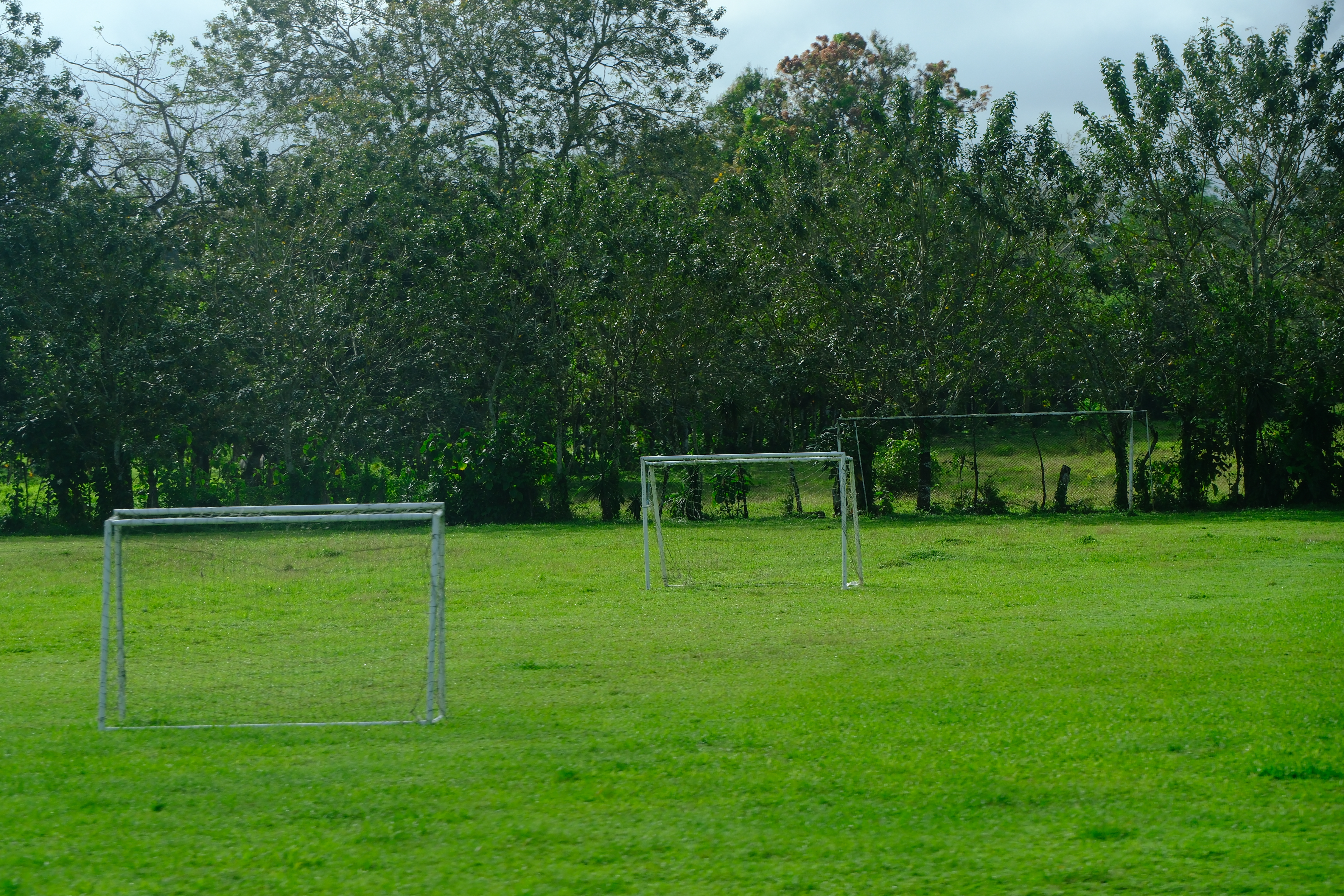
We pass through small towns here and there, with modest homes, schools, and soccer fields. Andrey jokes that to be a town in Costa Rica all you need is 1. a church 2. a soccer field and 3. a bar.
We pass quite a few ornamental plant farms where they are grown for exportation. In traveling, I have been surprised to see many of what pass as house plants at home. A few of the beautiful flowers can be found in nurseries at home too, although what is growing here is usually larger - like hibiscus hedges and towering ficus and umbrella trees. (sorry, poor pics from moving vehicle)

We also pass many of these greenhouse areas where strawberries are grown - they don't like a whole lot of rain, so are covered.
A few banana, bean and other farms. More of the living fences that we have seen. They use cuttings from fast-growing trees which root and grow. Occasional wire fences, but not many.
We steadily climb into the mountains on decent 2 lane paved roads with occasional one lane bridges. Quite a bit of fog, or low clouds as we move into the cloud forest.
After crossing the Continental Divide we turn off onto gravel roads near the small area of La Paz, named after the river of the same name, and arrive at Canto del Rio Lodging & Nature, a family run ecotourism venture where we meet Edwin and his wife Sora who own this 60 acre piece of the cloud forest.
Edwin grew up near here on a sugarcane and coffee farm, but attended university at his mother's insistence. He became a RoadScholar (Elderhostel back then) guide and worked for them for 30 years. He and his wife bought this property 27 years ago, when it had been largely cleared for a cattle operation. They are now strong advocates for rain forest conservation and reforestation.They have let this land return to nature and work with NGO's on educating local communities about conservation and eco-tourism and acquiring land to create biological corridors. They also employ some local people.

The cloud forests exist between 1000 and 3500' altitude. The mosses and other plants have a sponge effect, retaining moisture and creating a canopy-rich forest. Home to almost 200 bromeliads, giant ferns and many plants and animals. "With more to be discovered", says Edwin. Climate change is a challenge for the cloud forests, as is dairy farming, and other human encroachment. Edwin remains optimistic however and cited several instances of positive comebacks including hummingbird populations, large raptors and the increasing tapir population.

We do a short walk around the property where we see native bamboo (much smaller than the other) and many plants whose spelling is a mystery to me. The river that runs through the property is cold and clear. Andrey points out that birds that live by the water often communicate with tail movement, since the sound of water may make their calls difficult to hear.
Andrey asks us all to pause for a mindfulness moment and we listen to the wind in the trees, the tumbling stream....what a sense of peace.
Back by the house, we pause to watch a white-nosed coati who has come to help himself to some fruit.
And then we are treated to a lovely lunch. Andrey and one or two of our companions are vegetarian but have no problem finding delicious fruits and veggies, rice and other goodies.
After lunch, we continue toward the coast, going through the rather large city of San Ramon, population 80,000. It has hospitals, schools, churches, soccer fields. Transportation we see runs the gamut from horses to electric cars, with buses, motorbikes, cars, bicycles, ATVs and more.


Andrey says there are no restrictions as to who can own land here - all you need is money.
"Yo 💗 Costa Rica"

At lower elevation we pass many melon and watermelon fields. This is a mixed zone - from here to the north is what they call dry forest - deciduous trees. From here south is rain forest. From the bridge over the Tarcoles river, we can see basking crocodiles. They are very large and National Geographic and others have done research and films here. We will see them tomorrow by boat.
This slow down for animals sign was different! I think the animals pictured are nocturnal, so we haven't seen them, though I'm not sure what the first one is - maybe a turtle?
We arrive at Hotel Selva Mar at the Punta Leona Resort where we each have small cabins again. All the accommodations have been clean and comfortable. All have room safes and many have a fridge and/or tv. Here, the cabins are grouped in areas named for different countries and we are in Nicaragua. Lots of bird and other(?) sounds around us. It is a short walk to the pool and dining area where the food is quite good. Tasty fish tonight and the best baked goods we've had yet! This is quite a busy place.
Tonight's yummy dessert - pineapple, ice cream and a drizzle of chocolate.
This guy, about 3" long, is hanging out on the wall outside our door. Andrey says it looks like a long horn beetle. We try the TV which seems to often feature soccer. Birdwalk tomorrow at 6AM, so early night!