Search This Blog

Monday, March 3, 2025

Tuesday, February 18 Tortuguero

 Tuesday, Feb 18

Bags out at 6AM this morning and we leave at 6:30 for a longish day of travel to Tortuguero, on the Atlantic (Caribbean) Coast. Only accessible by boat, we'll drive part way and then get a boat.

It is clear and sunny as it takes about 30 minutes to leave the congestion and mix of businesses and homes of San Jose.  On the outskirts of town there are some lovely homes and lush vegetation.  As elevation rises we drive through some low clouds and note huge giant ferns at the roadside.  18-wheeler truck traffic is heavy and we pass one accident where the truck dangles over the median guardrail.


We stop for breakfast at a place that has beautiful grounds. I don't remember the breakfast, really, but enjoyed seeing a sloth, boa constrictor on a branch, some lizards and frogs.  Lots of beautiful flowers, too, and a clear running stream.


Yes, that's a (wet) sloth. Really.


And that is a boa constrictor - part of one anyway!


As we continue, Andrey tells us about 2 and 3 fingered species of sloths  in Costa Rica.  They eat mostly leaves, though the 2 fingered ones will also eat other things. They digest via a fermentation process, so that is why they spend so much time at rest.  Someone later tells us that some of the leaves they eat act a bit like a sedative, so that is why their metabolism is so slow!

There are 130 different snake species in Costa Rica, 30 venomous with the boa constrictor the largest snake.  The poisonous frogs don't produce their own poison but accumulate it from ants and other insects that they eat.

Occasional cattle and other small farms as we continue on route 32.  Andrey says Brahma and Costa Rican Angus are the major breeds of cattle.  Many of the homes, regardless of size or quality,  sport satellite dishes. 

The road narrows and we leave the "highway" behind.   We soon spot occasional  Chiquita and Dole signs as Andrey says there are many banana and pineapple plantations in this area.  He has a love/hate relationship with them, he says, as they provide economic boom and employment on one hand, but also deforestation and loss of habitat on the other.  

 Lots of bananas and the bunches are covered with blue (plastic?) bags to keep the birds from eating them. We see a long zip-line kind of area where they are transporting the picked banana bunches to trucks.

Interesting that fields here are separated by "living fences".  Sometimes there are thick hedges, but most often there are poles cut from trees which sprout and become trees or bushes themselves.

We arrive at the boat dock around 10:15 - a very busy place where someone is making some $$ charging $1 to use the toilets and get a few sheets of tp.  The boat ride is about an hour long, during which time we see a crocodile and various birds, mostly  herons and egrets.   Andrey is an avid birder and provides lots of bird information.


We arrive at our lodge which is quite nice, have lunch and get settled.


Then it is off to the other side of the canal to the Sea Turtle Conservancy.  This is our boat driver for the duration - Jose.


The turtles lay hundreds of eggs, but only 2 out of 100 will survive to adulthood, many of which are eaten before they even make it to the water.

 The green turtles arrive July-October to lay eggs in the warm sands here.  So no activity this time of year. Turtles spend only 1% of their lives on land and can live to be 100.   Since 1959, the Conservancy has worked  to protect the eggs and educate locals and visitors as to conservancy.      

Greg spots these leaf-cutter ants on a nearby path.  We'll learn much more about them later


From here we head to a presentation about coconuts by Cyold, a very lively and entertaining man who is part of the Caribbean Tico community that lives in this part of the country.  Jamaicans, West Indians and others were brought here to help in building a railroad (mostly to ship coffee), and many stayed.

Because coconuts float and easily sprout, they are found throughout the Caribbean.  Cyold  educates us as to the many uses and benefits of coconut while making a delicious candy using coconut, ginger and cane sugar.  Served on almond leaves, it is delicious!


 He also gives us some coconut oil to massage into our skin and tells those who are balding that coconut oil can work wonders for hair growth.  We leave the cooking area and go nearer the shore where he shows how to cut the coconuts and talks more about coconut water, milk, oil, etc.

Greg later spots this man picking coconuts.


While he is talking, a few of us notice this huge green iguana which is slowly making its way out of the trees and down to the water for a drink.   It is almost 5' long nose to tip of the tail!


After the presentation we walk into the town of Tortuguero which is filled with tourists.  We walk to get a nice view of the beach  and get a quick photo of Debi and Rick.  


This mural was pretty and we did see some kids playing with a soccer ball.  Yes, they do call it soccer here - not the British football.
 
Back in town,  I ask these pleasant policemen if I may take their picture. Good looking crew!

 We haven't seen many police, only in the busy area of San Jose and here,  and a few police cars.  Women have been part of the picture in all cases.

Back to the lodge for another buffet dinner.  The food has been plentiful and we are learning to be more selective and not try everything!  Mainly fruits, vegetables, the ever-present beans and rice, usually a soup (pumpkin seems popular).  Chicken, fish, sometimes beef and pork. Breads seem rather tasteless to me.  Desserts are often rice pudding or flan.

 Showers feel good and a good night's rest!


Saturday, March 1, 2025

Monday, February 17, 2025 San Jose

 Monday, February 17

7:00 breakfast this morning and an 8:00 lecture here at the hotel on Biodiversity in Costa Rica.

The speaker, Sylvia Valerio was excellent.  Though Costa Rica is small (about the size of West Virginia), it contains 6% of the earth's diversity including 12,000 species of butterflies and moths, 1400 species of orchids and 932 species of birds.


Costa Rica is midway between the North and South Poles, near the equator, which means it has species that migrated from both North and South America.  Near constant temperature year round and 12 hours of daylight every day leads to more action, faster growing and faster evolution.  Since the 1960's Costa Rica has redirected efforts to focus on education about and protection of its valuable resources.


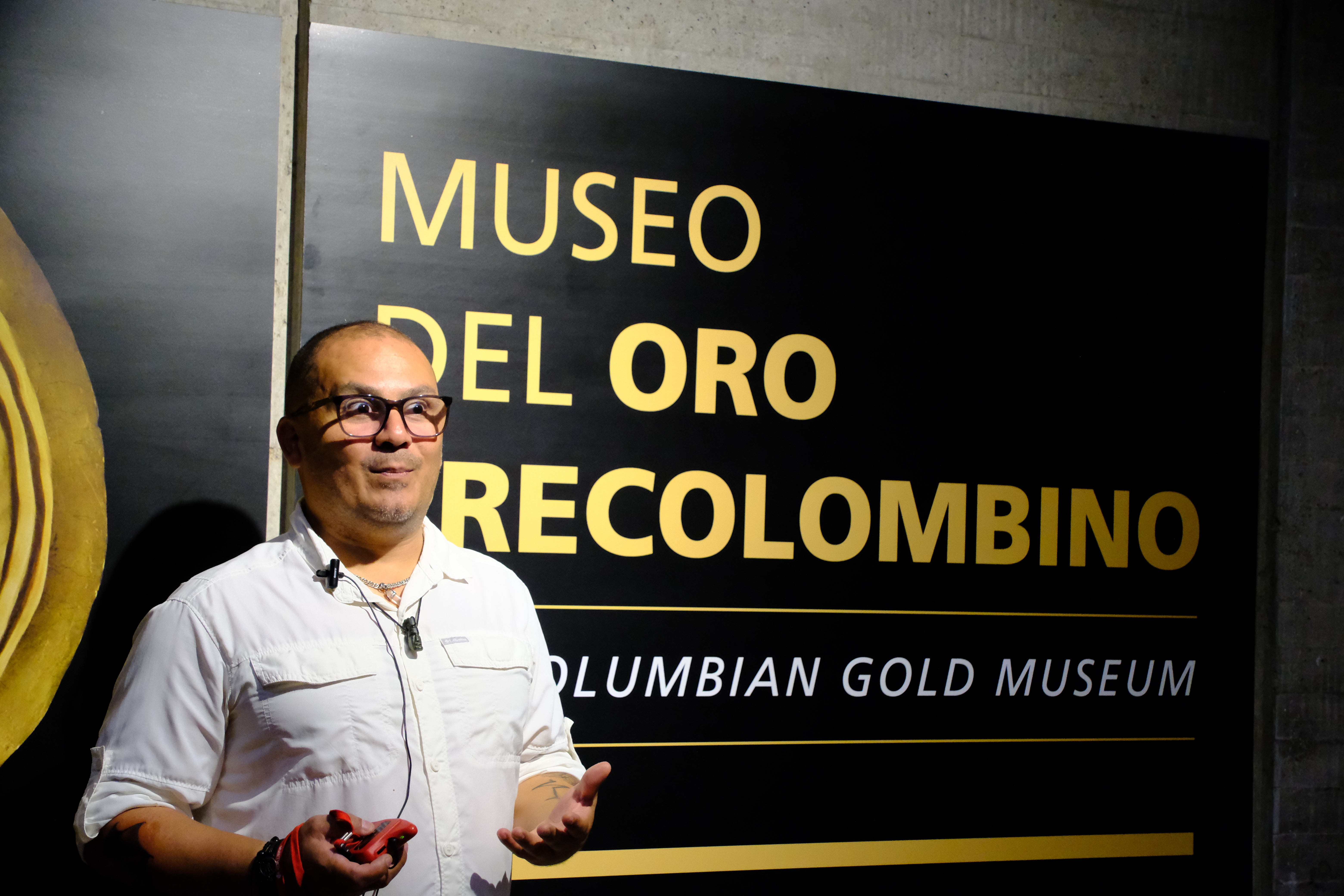
Next, we meet for a short bus ride downtown to the Gold Museum which is built as an inverted pyramid under the Plaza of Culture.  We pass the National Theater, built by coffee barons in the late 1890's.


Plaza of Culture

  Our guide there is Martin, a very enthusiastic and entertaining man. 

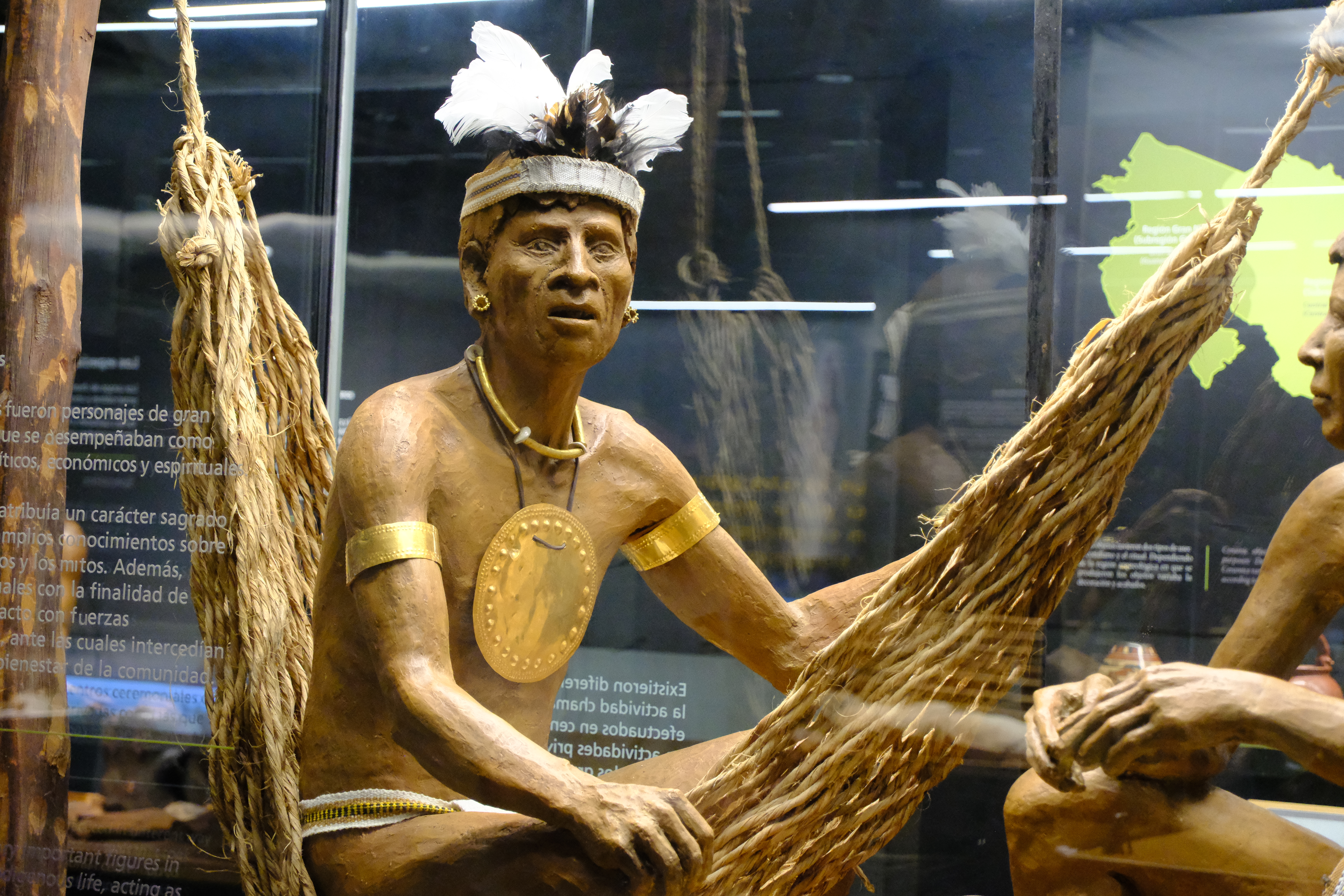
 He begins by discussing how Costa Rica was formed by volcanic action which resulted in connecting North and South America.  The oldest evidence of human occupation here goes back to 10,000 to 19,000 BC.  There are still eight different groups of indigenous people in small pockets of the country, but they are less than 3% of the current total population.  The pre-columbian gold dates from 300BC to 1550 AD.  Many beautiful ceremonial and decorative pieces!


Six of the 8 indigenous groups are matriarchal.  Martin says that Costa Rica's view of races is "If you close your eyes -  everyone looks the same".  


From the museum we drive through town to a Britt Coffee Tour.   There is a variety of housing along the route, many with metal roofs.  The tallest, most modern buildings seem to be banks.  Seems like all brands of auto dealers are represented, and traffic is heavy in town, with motorbikes moving between cars regularly.


Our guide at Britt Coffee is Tina, who says "If you don't drink coffee, we forgive you."  Costa Rica has perfect weather for growing coffee, which it has been doing since 1750.  Coffee seeds take 2 months to germinate, then are put in individual pots for a year before being planted.  Then it takes 2 years for them to  produce.  They would turn into trees, but are kept trimmed to about 5 feet ("We are short people," says Tina).

This is one of the decorative carts that were used to transport coffee.


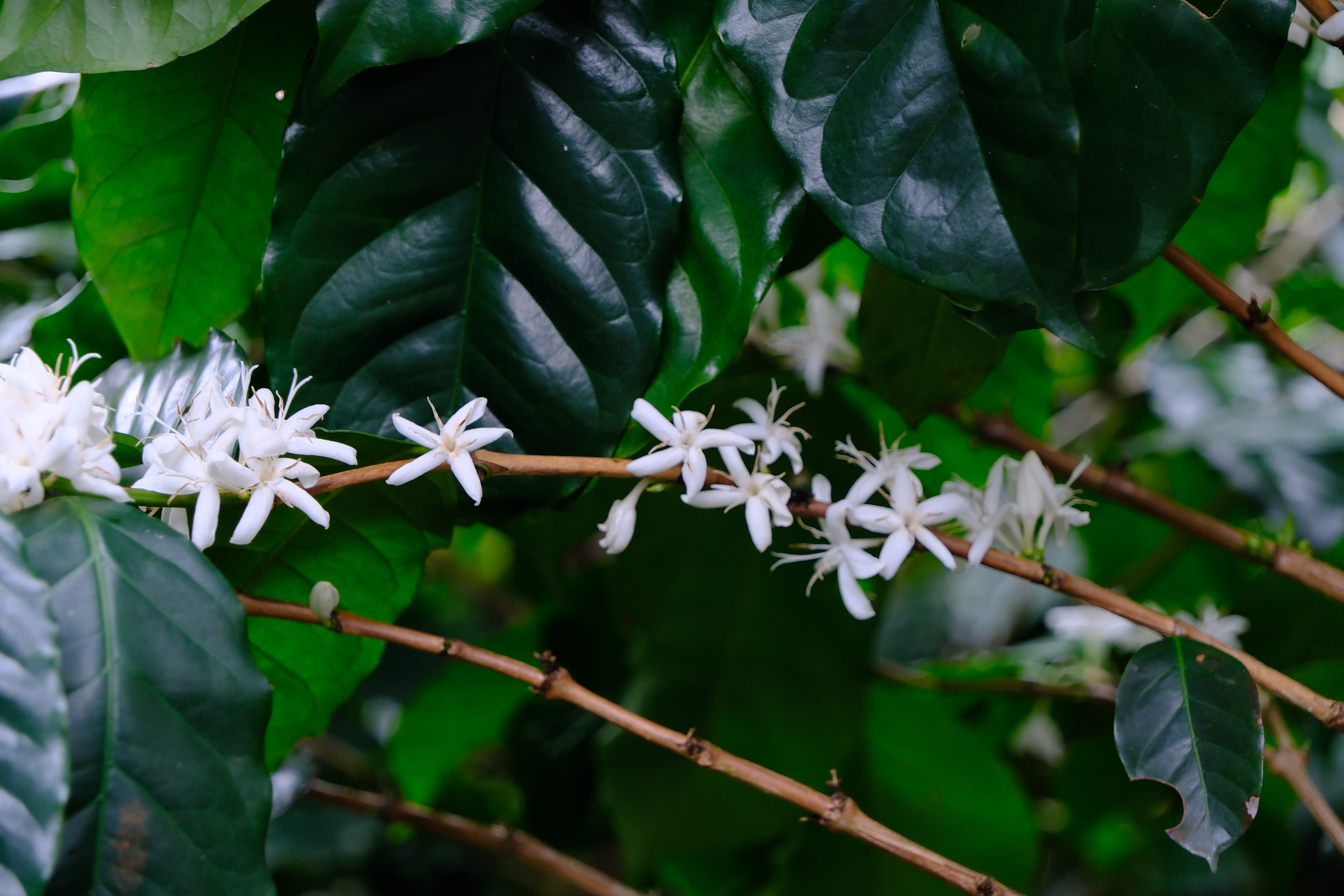
We see one plant with flowers, which Tina says, is another sign of climate change - they should not be blooming this time of year. When beans are red, they are hand-picked.  Pickers, many of whom are migrants from Panama or Nicaragua, are payed by the pound.  An experienced picker can make about $60/day.   (Tom is outfitted for the task. ) 

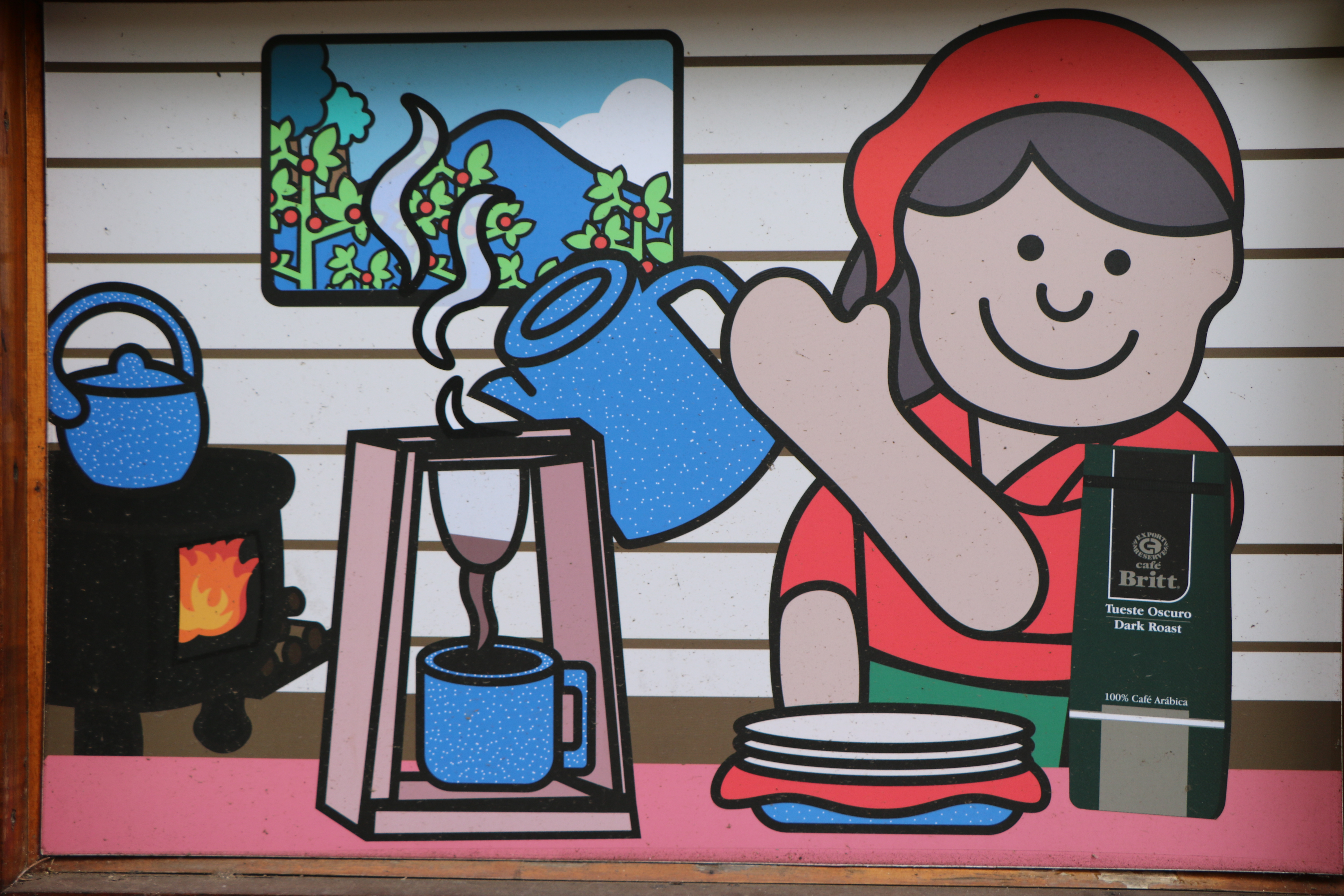
 It takes about 45 beans for 1 cup of coffee.  Then it is immediately processed - milled, dried and roasted.  Costa Rica produces only 1% of the global production, but, she says, the BEST Arabic coffee.  There are several stations where we can try different roasts and those who are coffee afficionados appreciate it.  (Me, I have never learned to appreciate it.)  She also shows us several different ways of brewing coffee.


On the return drive, Andrey covers a wide range of topics about Costa Rica.  Some highlights:  Eco-tourism is the #1 revenue industry in Costa Rica.  The pandemic had a significant impact, but it is recovering nicely. They have quite a few immigrants from Nicaragua and Venezuela, but not many Costa Ricans emmigrate, as free healthcare and free education and a fairly steady economy keep people here.  Sales tax is 13% and Income Tax is 8%.  There are Police, but no army since 1948.  Citizens can retire with a pension and you must live here 7 years to become a citizen.   Protected lands plus private reserves total 40-45% of all land.

 Tonight is dinner on your own, but those who wish can go on the bus to a barrio with many restaurants.  We do this and end up enjoying some unique burgers and the biggest onion rings we've ever seen! We eat with Rick and Debi.


Friday, February 28, 2025

WONDERFUL COSTA RICA, FEBRUARY 15-27, 2025

 Saturday, February 15, 2025

We are off to Costa Rica today where we will meet up with a group from Road Scholar. Looking forward to lots of photography and new adventures.

Thanks to Danny and Donna for our ride to the airport!  Our flight from Houston to San Jose was uneventful with a few delays on each end.  Caught the orange Taxi to the San Jose Radisson, as the lady from Road Scholar gave us good directions.  US dollars are accepted about everywhere, so we don't bother to exchange for the Costa Rican colon  We checked in about 9PM and had an excellent very thin crust pizza and beer downstairs before calling it a night.


Sunday, February 16

Beth has scheduled a San Jose Walking Nature Tour through Viator for 8:30 this morning, so we are up early and enjoy the hotel buffet breakfast.  Excellent fruit (which we will enjoy the entire trip) and the usual eggs, sausage, beans and rice, yogurt, etc.

The hotel gets us a taxi and we head to a restaurant called Ondina, which is our meeting place, about 3 miles from the hotel. Busy city, lots of American fast food places like KFC, McDonalds, Subway, Dunkin' Donuts, etc. along with local businesses.  Electrical wires everywhere! San Jose is in the Central Valley, so is surrounded by highlands and mountains.

The restaurant is closed and we are a little uncertain what to do, as is our taxi driver who spoke no English. We tell him to go on with the hope that someone will show up at 8:30, as we are a bit early.   But we got a card from the taxi driver in case we need to call for a ride.  Beth notices a woman about to enter a building next door and fortunately she speaks English and assures us that we are in the right place.  (Something about this restaurant showing up on GPS, so people use it as a meeting place.)

Her name is Sonya and she has just retired from teaching here at the University of Costa Rica.  She is very friendly and we chat for a while, finding once again that it is a small world as she spends half the year in the US, in Massachusetts and Arizona (where we have family).  She points out some cork trees and various flowers on this street and tells us about the University.  It is the largest in Costa Rica and one of the top in all Central America.  She says if we need her, just ring her buzzer - so kind!


Promptly at 8:30, a young woman approaches with spotting scope in hand.  We are the only people signed up for today, so we have a private tour with Sara who is a biologist and very involved in ecology and conservation.  She points out various trees in the yards we pass and says they are part of one of many biological corridors that the country is trying to establish, so that habitat is continuous throughout the country. About 50% of the corridors include private property.


Sara points out various trees and plants and speaks of the usage in medicines, teas, food for various animals, etc.  Some, like the eucalyptus and african tulip trees were imported.  We walk to the main campus of the University where the tour officially begins.  We spot our first sloth which is napping up in a tree and simply looks like a fur ball.  (We would never have seen it without Sara.) It is a 2-toed one.

(Sara took this picture on my phone, through her spotting scope).

This beautiful yellow Cortez tree usually blooms in December, but like most of the world, is being affected by climate change, a mantra we will hear time and again.

Ginger plants, swiss cheese plants, heliconia, giant bamboo and more.  Then we see a 3-toed sloth. It too is a fur ball, but we can see the "toes". This is the one with the smiley face that is usually depicted.  The 2-toe one has more of a "piggy" snout.


Lots of kiskadees (below), a woodpecker and a few other birds.  She finishes with a coffee plant, which we will come to learn, was crucial in the development of the country, Many air plants (epiphytes) and vines which do not harm the host plant/tree (except for strangler figs which we'll encounter later).


Sara kindly calls us an uber, which costs $3 vs the taxi we had which was $10!  Our young driver is pleasant and says he only drives on the weekends.

Back to the hotel, we re-group and then walk toward the museum and main plaza.  The hotel gave us a poor map, so we end up using good old google maps instead.  We pass this cool firehouse with statues and a firetruck leaves as we walk by.   


A few blocks seem inhabited by homeless people and one guy asks for money but quickly leaves when Greg says no.  We come to a pedestrianized area where lots of folks are strolling and shopping.  Some shops are closed on Sunday, but some are open and many people have set up their wares on blankets.  Jewelry, clothes, fruits, woodworking, etc. No aggressive salespeople, though, which is nice.  We reach the Plaza of Culture and National Theatre (built by coffee barons).


This sloth was in a small shop where we bought a wooden hummingbird for the Christmas tree.  


We have a 6:00 introductory meeting with our tour guide, Andrey Acosta, and 16 folks from around the USA. We introduce ourselves briefly.  Since the title of the program is "The Best of Costa Rica: Exploring Natural Wonders", most are interested in wildlife, birds, culture and nature.  4 single women, the rest couples.   From OR, WA, MN, MT, AZ, CA, FL, NC, TX.  Andrey covers the itinerary with slides; then basics, like water (potable everywhere except Tortuguero), money, food "lots of rice and beans and when you are tired of that we will have beans and rice!" He hands out "Whispers" which are small hearing devices so we can always hear the speaker/guide.

After this we have a Welcome dinner buffet.   Soup, beef, chicken, vegetables, rice and beans, etc.    Beer and/or wine and getting to know some fellow travelers.